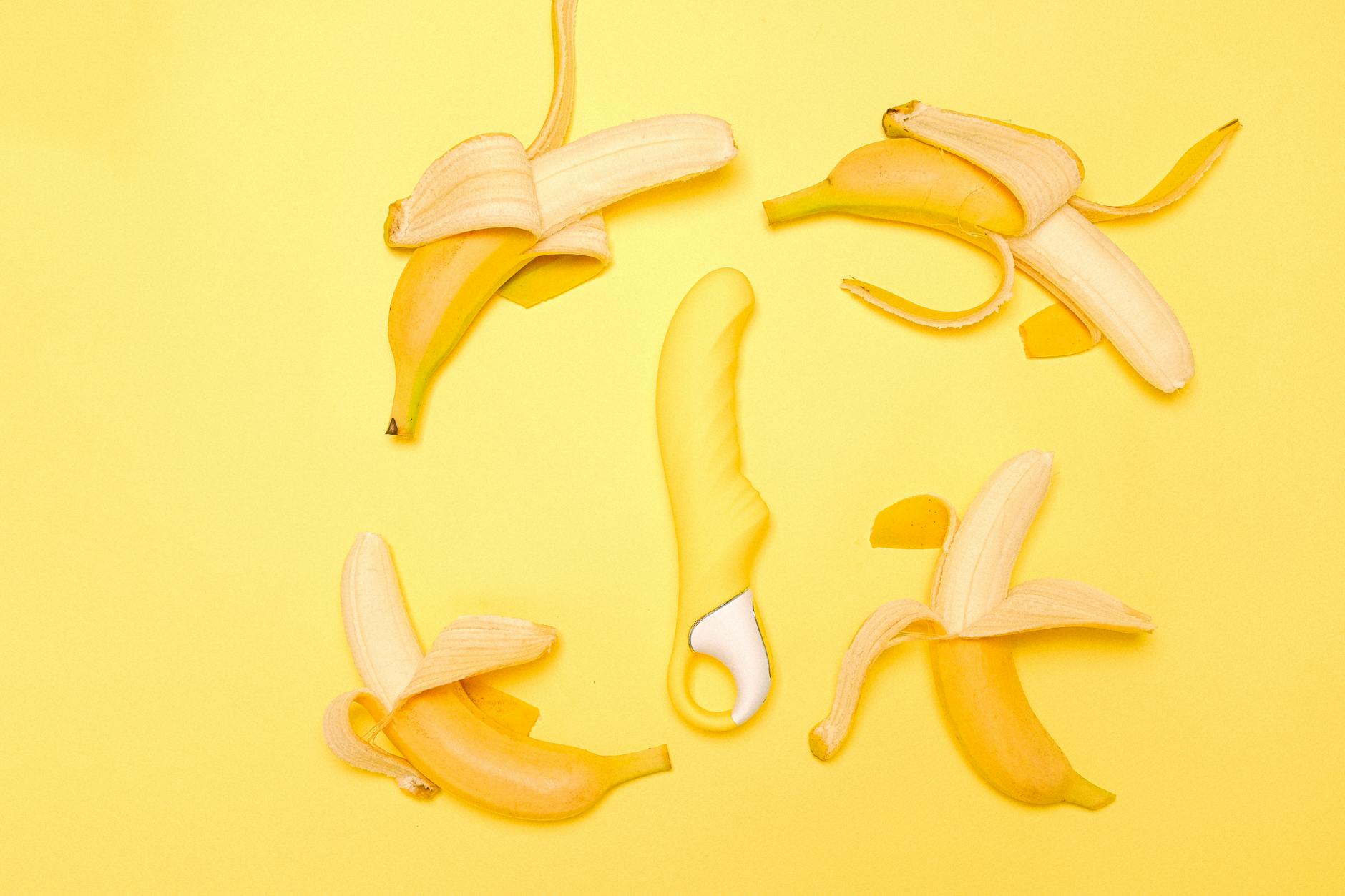
Here's the thing about vibrator fit
Most people assume a clitoral vibrator either works for them or it doesn't. But that's not quite how it works. Your body's anatomy—hood size, clitoral prominence, vulva width, pelvic floor tension—directly affects which lemon vibrators feel good, which feel awkward, and which ones you'll actually reach for.
I've spent years watching people struggle with devices that were genuinely great products, just not great for their specific body. A lemon vibrator that makes one person's eyes roll back can feel completely wrong for someone else, not because they're using it wrong, but because their anatomy needs something different.
How your clitoral hood changes everything
This is the most overlooked variable. Your clitoral hood is the fold of skin covering your clitoris, and it varies wildly in size and prominence from person to person. Some people have a small, tight hood. Others have a larger, looser one.
If you have a less prominent clitoris or a thicker hood, you need direct access. A lemon vibrator with a wider, broader surface helps because you're not trying to thread a needle to reach the clitoris itself. The lem vibrator's design actually accounts for this—its wider cup gives you options to stimulate through the hood or pull it back slightly for more direct contact.
If you have a highly visible, prominent clitoris, you might find that too much surface area feels overwhelming. You might prefer something more pointed or with a smaller contact zone. This is completely normal and not a sign that anything is wrong with you or your body.
Body weight and pelvic positioning
Let me be direct: body size affects how you access your clitoris and how you position yourself comfortably during play. It's not about health or beauty. It's mechanics.
If you're carrying weight in your lower belly or have a fuller vulva, you might find that certain angles that work for someone else require more flexibility or a different hand position. Some people find that a longer-handled device or a remote-controlled option (like the Pixie) feels easier because they're not contorting to hold something at an angle.
If you're very slim or have less tissue, you might find that your clitoris is more sensitive to direct pressure and you'd benefit from starting at lower intensity settings. Our guide on finding your perfect intensity walks through this in detail.
There's no judgment here. This is just how bodies work, and knowing your own body's layout makes solo play and partnered play feel less like an engineering problem and more like actual pleasure.
Pelvic floor tension affects everything
This one surprises people, but your pelvic floor's baseline tension shapes how vibration feels. If you carry stress in your pelvic floor—which a lot of us do—high-intensity suction or vibration can feel intense-in-a-bad-way rather than intense-in-a-good-way.
People with hypertonic (tight) pelvic floors often feel better starting lower, warming up longer, and sometimes pausing to consciously relax before building intensity. The gradual ramping of a lemon clitoral vibrator helps here.
If you have a more relaxed pelvic floor or you've done pelvic floor physical therapy, you might find you prefer medium to higher intensities and respond well to the suction sensation, which engages the pelvic floor differently than traditional vibration.
Vulva shape and width variation
Your external vulva anatomy—the width of your labia majora, the prominence of your labia minora, the distance between your clitoris and vaginal opening—all matter for comfort and sensation.
Someone with a wider vulva might find that a compact device feels too concentrated in one spot, while someone with a more compact vulva might find that a wider device spreads pressure in a way that feels diffuse rather than focused.
Here's what I tell clients: if you're buying your first lemon vibrator and you're unsure, start with something in the mid-range size. The lem vibrator is popular precisely because its cup shape and suction action work across a broad range of anatomies without requiring perfect alignment. If you later discover you want something different, you know what to look for next time.
Sensitivity and nerve density variations
Not everyone's clitoris is wired the same way. Some people have a very localized pleasure zone—touching the glans (the visible tip) is everything. Others have sensation spread across a wider area, and direct glans stimulation feels irritating.
This often correlates with how densely your clitoral nerves are packed, which has no connection to body type but does affect which devices feel best. If you're someone who winces at direct pressure, recovering from clitoral sensitivity issues might be in your past or future, and you'd benefit from toys that disperse stimulation.
If you have highly concentrated sensitivity, you might prefer precision tools or lower intensity overall.
Solo play versus partnered play positioning
Your body type also affects what position feels sustainable during partner play. This matters because partnered use changes which lemon vibrators feel practical.
Someone taller or with longer arms might feel comfortable holding or directing a toy during partnered sex. Someone shorter might prefer a hands-free option or a remote-controlled toy. Someone with joint issues might benefit from a vibrator they can position and leave rather than hold continuously.
That's not a limitation. That's you knowing what works. The Pixie remote option exists partly because not everyone can comfortably hold and direct a toy while also being present with a partner.
Practical fit checklist
When you're choosing a lemon vibrator or any clitoral vibrator, ask yourself these:
Size and width. Can you comfortably angle it against your body, or does it feel too wide or too narrow? Does it require a specific hand position to work?
Handle ergonomics. Can you hold it for 10+ minutes without your hand cramping? Does the grip fit your hand size?
Contact area. Does the tip or cup feel concentrated or dispersed? Do you prefer broad surface contact or something more pointed?
Positioning flexibility. Can you use it solo standing, sitting, or lying down? What about with a partner?
Material feel. Silicone feels different than other materials. Does the weight and material feel good in your hand?
Why the lem vibrator works across body types
The reason lemon sexual toys have become so popular isn't magic. It's smart design. The lem vibrator's wider cup shape means it works whether you have a pronounced or less visible clitoris. The suction-plus-vibration action engages tissue without requiring perfect anatomical alignment. The handle gives different grip options depending on hand size and strength.
But it won't be perfect for everyone, and that's fine. It will be perfect for many people. If it's not perfect for you, that tells you something useful about what your body actually needs.
What to do if something doesn't fit right
If you buy a lemon vibrator and it feels wrong, troubleshoot before you assume the device is bad:
Try different angles. Experiment with the intensity. Give yourself 3-4 sessions of warming up longer than you think you need. Talk to a partner about positioning if you're using it together.
If it still doesn't work, reach out. Hello Nancy's team can walk you through options, or you can schedule a call at /contact to talk through what might work better for your specific anatomy.
Your pleasure isn't one-size-fits-all. Your vibrator doesn't have to be either.
FAQ: Lemon vibrators and body fit
Does a lemon vibrator work better for people with a prominent or hidden clitoris?
Both, actually. A lemon clitoral vibrator's wider cup design works whether your clitoris is easily visible or more recessed under your hood. Some people position it directly against the glans. Others position it slightly lower, letting the suction pull tissue up. The beauty of the lem vibrator is that it offers flexibility rather than requiring one specific anatomy.
Are lemon vibrators good for plus-size bodies?
Absolutely. Body size doesn't make any vibrator better or worse—positioning and comfort do. Some plus-size folks find that a remote-controlled toy or one with a longer handle feels more accessible. Others prefer traditional handheld options. The variable isn't size; it's what positioning feels easiest and most pleasurable for you. Start with what feels intuitive for your body.
What if I have a very sensitive clitoris and suction sounds too intense?
Start at the lowest intensity setting. Warm up longer—15 to 20 minutes of solo time before using a toy. Use lubricant to reduce friction. Some highly sensitive folks find that positioning the lem vibrator slightly off-center so it stimulates the area around the clitoris rather than directly on it takes the intensity down significantly. Our intensity guide walks through this in detail.
Do lemon vibrators work the same way for people with vulval pain conditions?
Not always, and you should talk to a pelvic health specialist before using any vibrator if you have vaginismus, vulvodynia, or other pain conditions. That said, some people with these conditions find that very gentle, low-intensity suction (as opposed to the harsh vibration of traditional vibrators) feels tolerable. The lem vibrator's adjustable intensity helps. But professional guidance is important here.
What's the best lemon vibrator for people with arthritis or hand strength issues?
A remote-controlled option like the Pixie removes the need to hold and direct the toy, which is huge if gripping or arm positioning is difficult. If you prefer a traditional handheld lemon vibrator, look for one with an ergonomic grip and lighter weight—the key is minimizing hand strain over a 10 to 15 minute session.
Do body type and hormones affect how a lemon vibrator feels?
Yes. Hormonal changes (menstrual cycle, menopause, hormonal birth control) affect lubrication, tissue thickness, and sensitivity. So does body composition and pelvic floor tension. If a lemon clitoral vibrator feels completely different from one week to the next, hormones might be part of it. Stress and emotional state matter too. Your body isn't inconsistent. It's responsive.
The bottom line
There's no such thing as a body that's "wrong" for a lemon vibrator. There are just bodies that need different things. Your anatomy—your clitoral hood, your vulva shape, your pelvic floor tension, your sensitivity profile—is the data you need to choose something that feels genuinely good.
Start by noticing what your body actually responds to. Then pick a tool that matches. And if it doesn't work, adjust the angle, the intensity, or the tool itself. Your pleasure matters enough to get this right.