Let's talk about the thing nobody mentions
You've been using your lemon vibrator regularly. It feels amazing. Then one day, nothing. Or worse—you need the intensity cranked to maximum just to feel anything at all. Your first instinct is panic: "I've broken myself." You haven't. What you're experiencing is temporary clitoral desensitization, and it's surprisingly common among people who use powerful lemon sexual toys consistently.
Here's the good news: it's reversible. Your nerve endings aren't permanently damaged. They're just overstimulated, and they need a strategic reset.
What actually happens during desensitization
Your clitoris contains about 8,000 nerve endings packed into a space smaller than a pea. When you use a high-powered device like a lemon vibrator repeatedly, you're sending intense signals down those nerves constantly. Think of it like this: if you listen to loud music every single day, quiet conversations start to feel invisible. Your brain stops processing the signal because it's normalized to the noise.
The lem vibrator and other clitoral vibrators use suction-based or rapid-pulse stimulation that's significantly more intense than manual touch. Over time, your nervous system adapts to that intensity by raising its threshold. You need more stimulus to reach the same sensation.
This is called "neural accommodation." It's not a malfunction. It's your body being efficient in the worst way possible.
The timeline matters
Desensitization doesn't happen overnight. It typically develops over weeks or months of frequent use (usually daily or near-daily). Some people experience it faster depending on intensity settings, sensitivity baseline, and whether they cycle between different stimulation types. The good news is that recovery follows a similar timeline.
Why your lemon clitoral vibrator made this worse (and why that's actually fixable)
Lemon adult toys—particularly suction-based devices like the lem vibrator—are designed to be efficient and intense. They work well precisely because they deliver strong, consistent stimulation. That same strength is why desensitization can develop faster than with other devices.
Here's what happens: regular toys provide broad surface stimulation. Air-suction toys concentrate stimulation directly on the clitoris with pressure and pulsing. It's like the difference between a sprinkler and a fire hose. When you use a fire hose daily, the gentle sprinkler becomes almost undetectable.
The plus side is that this desensitization is device-specific. Your clitoris isn't broken. It's just too familiar with that particular sensation.

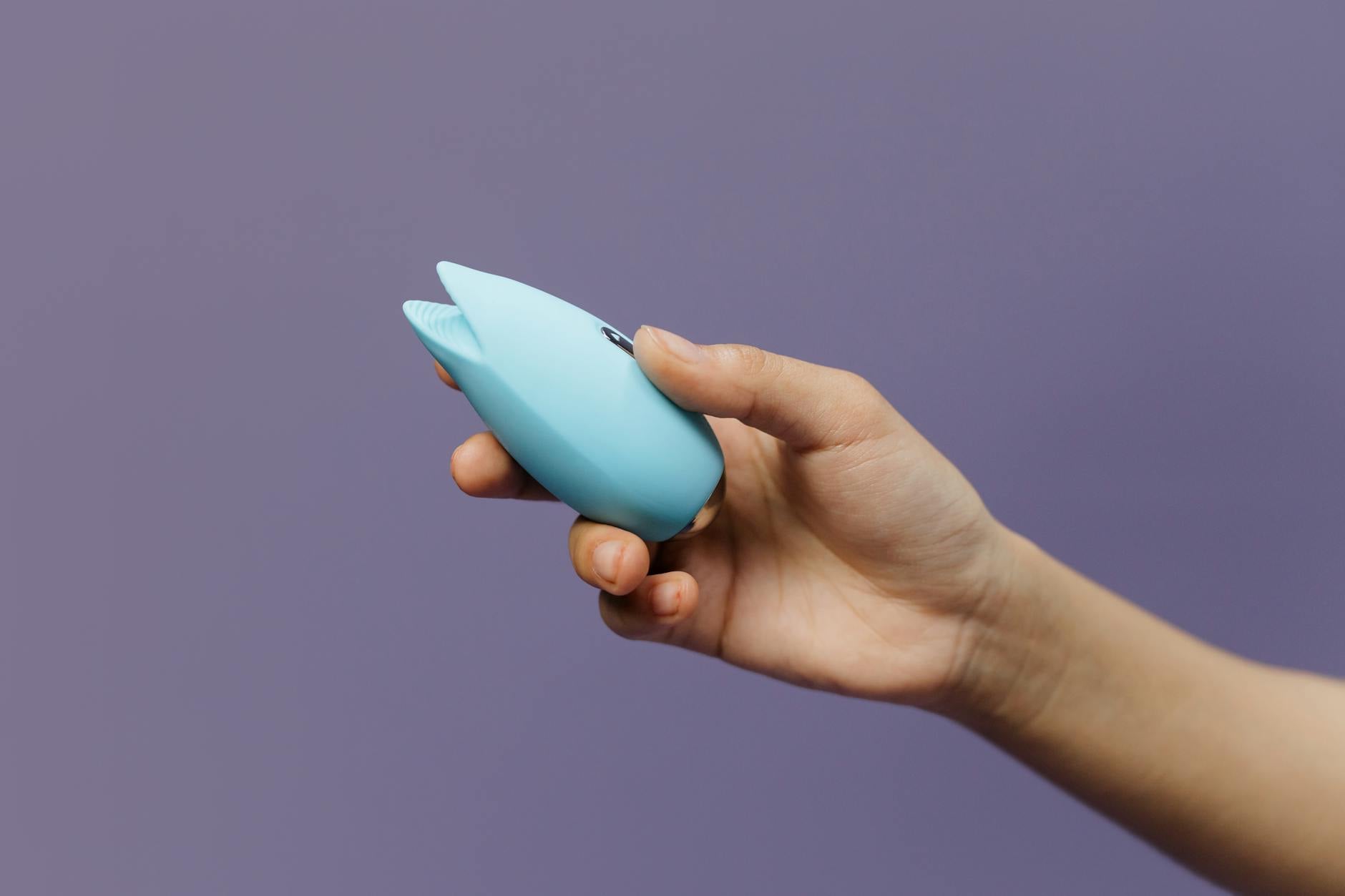
Photo by cottonbro studio on Pexels
The recovery protocol: four-week reset
Full recovery usually takes 2-4 weeks of consistent abstinence from the device that caused the desensitization. This isn't forever. It's a strategic pause.
Week 1: Complete break. No vibrators. No lemon vibrators, no other toys, nothing motorized. This feels impossible if you're used to daily use, but it's non-negotiable for the reset. Your nervous system needs to recalibrate without any artificial stimulation.
Week 2: Reintroduce manual only. Hands, fingers, your partner's touch if you have one. Explore sensation at a completely different pace. This is slower, more varied, and crucially, it doesn't trigger the same accommodation response. You're retraining your nerve endings to respond to subtlety.
Week 3: Introduce alternative toys carefully. If you want to use a device, pick something gentler. A traditional vibrator set to low or medium. Not your lemon vibrator yet. Different sensation patterns help prevent re-sensitization to the same stimulus.
Week 4: Gradual reintroduction. If you want to return to your lemon clitoral vibrator, start with the lowest setting for no more than 5-10 minutes. Pay attention to sensation. Most people find their sensitivity has returned significantly.
The long-term pattern that actually prevents relapse
Once you've recovered, the goal isn't to avoid your lem vibrator forever. It's to use it strategically.
Cycle your stimulation. Don't use the same device every single session. Alternate between manual touch, different vibrators, and partnered stimulation. This prevents your nervous system from fully accommodating to any single pattern. It's like cross-training for your clitoris.
Take weekly breaks. One or two days per week without any vibration. This gives your nerve endings a chance to reset partially, preventing deep desensitization from ever developing again.
Use intention, not habit. The problem isn't the lemon vibrator itself—it's using it mindlessly every single time. If you're reaching for it out of routine rather than actual desire, that's the signal to pause. Pleasure should feel like a choice, not a dependency.
Lower intensity settings go underrated. Most people jump straight to high on the lem vibrator or other clitoral vibrators because the sensation is more obvious. But lower settings often deliver more nuanced pleasure once your sensitivity is back. You actually feel more with less intensity.
What's actually happening when sensitivity returns
As you progress through the recovery protocol, you'll notice sensation coming back gradually. First, you'll feel touch more vividly. Then lower vibration settings become noticeable again. By week 3 or 4, you're back to baseline—but usually with better body awareness and a more intentional relationship with your tools.
This isn't just nervously bouncing back. You're also breaking the psychological pattern that desensitization often creates. Using a device compulsively, chasing intensity, feeling disappointed when things stop working. That cycle messes with pleasure beyond just the nerve endings.
The reset gives you a chance to rebuild the experience from curiosity rather than chasing a sensation you've already numbed yourself to.
Common mistakes that extend recovery
People often sabotage their own reset without realizing it.
Going back too fast. You feel a little sensitivity return on day 10, so you use your lemon vibrator again. This restarts the cycle. The protocol works because you're staying disciplined about the timeline, not because you're doing something magic.
Using the same lemon clitoral vibrator on low expecting different results. If you're going to reintroduce it, commit to the lowest possible setting and actually notice what that feels like. Most people using lemon sexual toys never experience low settings because high is more "obvious."
Assuming mental health issues. If you've never experienced desensitization before, temporary numbness can feel scary or create anxiety about sexuality. It's not. It's purely neurological and temporary. Knowing that alone helps.
Ignoring the person-specific factors. Some people naturally take longer to desensitize. Others bounce back faster. Your timeline is your timeline. Don't compare yourself to someone else's recovery.
When to actually worry
Desensitization from lemon vibrators is temporary. Actual nerve damage from toy use is extremely rare. What you should take seriously: pain during use, numbness that persists beyond 6 weeks of rest, or any visible skin changes.
If you notice those, talk to a gynecologist. But simple desensitization? That's just a sign you need to reset your rhythm, not a reason to panic.
The bigger picture
Desensitization often shows up when pleasure has become predictable. You know exactly what your lem vibrator does, you know exactly how to use it, and your body's adapted to the point where it doesn't surprise you anymore. The reset isn't punishment. It's an invitation to get curious again about what actually turns you on.
When you come back from the break, explore lower settings. Try different patterns. Use it with a partner in a new way. Let reintroducing your lemon vibrator be an actual discovery, not a default.
Your clitoris is more resilient than the momentary panic suggests. You haven't broken anything. You've just learned something useful about how your body adapts to stimulus. That's valuable information.
FAQ
How long does clitoral desensitization actually last if I keep using my lemon vibrator?
If you keep using the same toy at the same intensity, the desensitization can become almost permanent during regular use. Some people report needing high settings indefinitely because they never gave their nerve endings time to reset. The moment you stop, recovery begins—but it's much easier to prevent through cycling than to recover from deep desensitization.
Can I use a different vibrator while recovering from my lem vibrator?
Yes, but pick something gentler. A traditional vibrator set to low or medium works well. The point is stimulus variation—different frequency, different sensation pattern. Just avoid jumping to another high-powered clitoral vibrator. You're retraining your nerve endings, not just switching which device you're overstimulating them with.
Is desensitization from lemon vibrators permanent?
No. This is the important bit: it's completely reversible. With 2-4 weeks of strategic rest and mindful reintroduction, sensitivity returns to baseline. Your nerve endings aren't permanently altered. They're just temporarily accommodated to intense stimulus. The recovery is as straightforward as the problem.
Why does lower intensity feel weird after using high settings?
Your nervous system has adapted to expect high-intensity signals. Lower intensity feels less "noticeable" because it's not triggering the same accommodation response. But as you spend time with it, you actually start feeling more nuance at lower settings. It's not that it's not working—it's that you've been training yourself to only notice obvious signals. Relearning subtlety takes a few sessions.
Should I be worried if I need my lemon clitoral vibrator on high to feel anything?
Not worried, but aware. It's a sign your nervous system has adapted to that specific stimulus. This is when the cycle often gets worse because people assume they need even higher intensity. Instead, treat it as a signal to pause and reset. The fact that you're noticing the change is actually your body communicating that something needs adjustment.
Can I prevent desensitization entirely?
Mostly, yes. Cycling between different stimulation types, taking regular breaks, and using intention rather than habit prevents deep desensitization from developing. You don't have to avoid your lemon vibrator—you just need to use it as part of a varied approach to pleasure rather than your default every single time.
Desensitization is your body's way of telling you something needs to change. That's not a failure. That's useful information. The reset protocol works because it takes you seriously and gives your nerve endings actual recovery time. Two to four weeks of patience now saves you months of chasing sensation that doesn't land. Your pleasure is worth that pause.