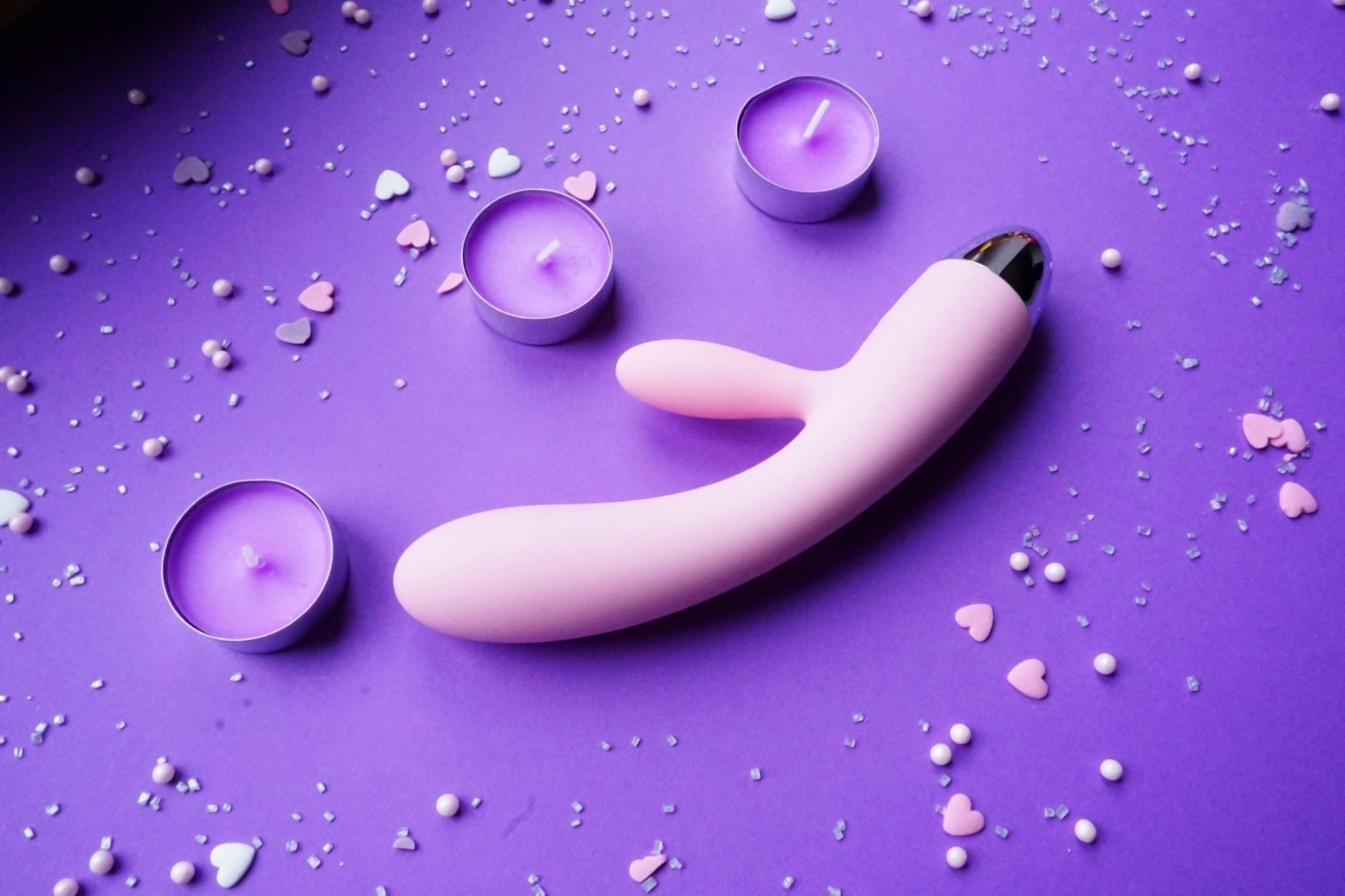
How to Use a Lemon Vibrator With Your Partner After Major Life Changes
Let's be real. When your life tips sideways, sex is usually the first thing to disappear. Not because desire vanishes overnight, but because your nervous system is in overdrive. A job loss. A move across the country. Unexpected grief. A health scare. These things don't just affect your bank account or your living room—they rewire how you show up in bed.
Here's the thing most couples don't talk about: the path back to intimacy after upheaval doesn't look like it did before. Trying to resurrect your old rhythm usually fails because you're not the same people anymore. But that doesn't mean your sex life is broken. It means it needs a different entry point.
I've worked with hundreds of couples navigating major transitions, and what I've learned is that a clitoral vibrator—especially something with the focused, intentional design of a lemon vibrator—becomes less about "getting off" and more about rebuilding trust in your own body and your partner's presence.
When your nervous system is hijacked by change
Major life upheaval triggers what therapists call "survival mode." Your brain floods with cortisol and adrenaline. Sex requires the opposite state—parasympathetic activation, which is basically your nervous system saying "it's safe to relax here." When you're adjusting to a new job, processing a loss, or managing the logistics of a move, your body isn't convinced it's safe.
This isn't a willpower problem. It's neurobiology.
What I tell couples is that reaching for a lemon vibrator during this phase isn't about forcing pleasure. It's about sending your nervous system a signal: we're taking this time, this person matters, this body still works. That signal matters more than orgasm.
The Lem's air-suction design is particularly useful here because it doesn't require the same coordination or energy that traditional penetration does. Your partner can hold it while you breathe. It's intimate without being demanding.
Rebuilding the conversation before the clothes come off
Here's what almost never works: sitting down and saying "We need to have more sex." That's like demanding your nervous system calm down through sheer willpower.
What works is smaller. "I miss you" is different than "I want to have sex." One is an invitation. The other is a task list.
If you're the one initiating: Start with "I'd like us to take some time together. Not necessarily sex. Just touch and presence." Then bring the lemon vibrator into that space, not as a performance expectation but as a tool that might feel good.
If you're the partner whose life is less visibly disrupted: Understand that the person next to you is managing their identity, their stability, maybe their sense of self-worth. Their libido isn't the problem. Fear is. So ask "What would feel good to you right now?" and listen for what they actually say, not what you think they should say.
The first time back: expectations matter
Don't aim for an orgasm. Seriously. That's sabotage.
Instead, aim for presence. Set aside 20 minutes when you're not exhausted and there's no background anxiety about what comes next. Dim the lights. Maybe have a glass of water nearby—major life changes often dehydrate you, and you might find the simple act of pausing to drink something feels grounding.
Start with a lemon vibrator on the lowest setting. If you're the partner using it, let your partner explore how it feels. If you're receiving, focus on your breath. Not meditation-teacher breathing—just notice where your breath goes when the vibration touches your skin.
Stop before you feel obligated to come. That matters. You're building the association that this time together is safe, not that it's a performance where you need to produce results.
When desire doesn't return immediately
Sometimes it takes weeks. Sometimes months. That's not failure.
What I see in couples who rebuild successfully is that they stop waiting for desire to appear and start practicing small acts of reconnection. Shower together. Use the lemon vibrator while your partner reads to you. Hand the vibrator back and forth. Let it be playful before it's serious.
One couple I worked with had just moved for the partner's job—the move they both wanted but that felt isolating anyway. They weren't having sex. Instead, they started a ritual: Friday evening, they'd light a candle, take turns using a clitoral vibrator while the other person was present, and then just talk. No pressure for what happened next. After four weeks, they initiated sex on their own. But the real shift happened earlier, in those Friday rituals where they remembered they liked being in their body around each other.
If you're grieving or processing loss
This deserves its own paragraph because grief and sex are complicated in ways nobody warns you about.
Loss—whether it's a death, a miscarriage, a health diagnosis—can make your body feel like someone else's. You might feel numb. You might feel guilty for wanting pleasure when someone you love is in pain. You might feel disconnected from your partner even though you desperately need them.
Using a lemon vibrator during grief isn't about moving past the loss. It's about checking in with your body and saying "you're still here, you still deserve to feel good." Sometimes that opens a conversation with your partner about what you both need—and sometimes it just reminds you that pleasure and sadness can exist in the same moment.
Practical logistics for post-upheaval couples
When your life has shifted, sex usually needs to shift too.
If you just moved: The first time might not be in your bedroom. It might be on the couch in a new living room you're still getting used to. That's fine. Let yourself be flexible.
If you're adjusting to a new job schedule: Sex doesn't have to happen at night. Some couples find that afternoon weekends or even early mornings feel less pressure-laden than the "we should have sex before bed" default.
If you're processing grief or financial stress: It's okay to say "I'm not ready yet" or "Can we just try something different this week?" The lemon vibrator is useful precisely because it gives you a middle ground between "doing nothing" and "full penetrative sex." It's a way of saying yes to intimacy without saying yes to everything.
When one partner is ready faster than the other
This is real. One of you processes change by wanting connection. The other needs distance first.
The partner who's ready faster: Don't pressure. Don't shame. Don't wait resentfully. Instead, get clear on what you're actually looking for. Are you seeking sexual release, or are you seeking reassurance that you're still connected? Sometimes those are different things, and a lemon vibrator can answer one while conversations answer the other.
The partner who needs more time: You're not broken. You're not withholding. You're protecting yourself while you adjust. Honor that. But also communicate it. "I'm not ready for sex yet, but I want us to stay close. Can we try this together?" That's powerful.
Why a clitoral vibrator works better than willpower
During upheaval, trying to force your body into arousal through willpower is like trying to sleep because someone told you to. Your nervous system doesn't take orders.
A lemon vibrator removes the effort. The sensation is simple. It doesn't require fantasy or mental arousal or perfect conditions. Your body knows what to do with direct, focused stimulation. In a moment when everything else in your life feels chaotic or uncertain, that simplicity is grounding.
I've had couples tell me that the act of reaching for a clitoral vibrator together became a ritual that said "we're still us, even if everything else changed." That's not about the orgasm. That's about rebuilding trust.
When to seek outside help
If it's been more than six months since your life shifted and you've made no movement toward intimacy—not necessarily full sex, but physical affection, touch, presence—that's a sign to bring in a couples therapist or sex therapist. Sometimes the disruption goes deeper than logistics. Sometimes major change activates older patterns or unresolved hurt.
A professional can help you understand whether the loss of intimacy is a normal response to upheaval or whether it's pointing to something bigger in the relationship itself. Both are fixable. But you need clarity.
The path forward
Major life changes don't end your sex life. They interrupt it. The couples who rebuild successfully aren't the ones who white-knuckle back to their old rhythm. They're the ones who let themselves be different and rebuild from there.
A lemon vibrator is just a tool. But it's a tool that says: your pleasure still matters. Your body still works. We're still here for each other. That message, repeated gently over weeks, sometimes changes everything.
Start small. Stay curious. Let your partner know what you need. And remember that the intimacy you rebuild after upheaval often runs deeper than what came before.
People also ask
How long does it take to feel intimate again after major life changes?
There's no standard timeline, but I've noticed that couples who prioritize even small acts of physical connection—holding hands, using a lemon vibrator together while talking—tend to feel emotionally connected again within 4-8 weeks. The key isn't waiting for desire to appear on its own. It's creating moments where closeness can happen, and letting desire follow.
Is it okay to use a clitoral vibrator if I'm not in the mood?
Absolutely. In fact, during major transitions, using a lemon vibrator when you're not in the mood can actually help rewire your nervous system's association with intimacy. It's saying "my body is safe here" rather than "I need to feel horny first." Start on a low setting and focus on sensation rather than orgasm. Your nervous system will begin to relax into it.
Should I tell my partner I'm not ready for sex after upheaval?
Yes. Direct communication is more important after major change than at any other time. Try: "I'm still adjusting and my body hasn't caught up yet, but I want to stay close to you. Can we try this?" Then bring the lemon vibrator into that conversation as a middle ground, not as an obligation.
What if my partner wants sex and I don't after a major life change?
This is one of the most common tensions couples face. The best approach is to separate the two conversations. One conversation is "I'm struggling with this change and need more time." The other is "I still care about you and want us to feel connected." A lemon vibrator can bridge that gap by offering intimacy without the full intensity of sex. Let your partner hold the vibrator while you focus on your breath and presence. It's a compromise that serves both of you.
Can using a vibrator together actually rebuild intimacy?
Yes, if the goal is reconnection rather than performance. The Lem's design makes it easy for a partner to hold it while you focus on sensation and breath. That creates a moment of vulnerability and trust that can be the entry point back to deeper intimacy. I've seen couples rebuild their entire sexual connection starting from these small, low-pressure moments.
What if we're grieving and sex feels wrong?
Grief and pleasure coexist. Using a lemon vibrator during grief doesn't dishonor the loss. It honors your body's right to feel good even while your heart is hurting. The key is intention: "I'm checking in with myself" rather than "I'm trying to escape." That distinction matters.