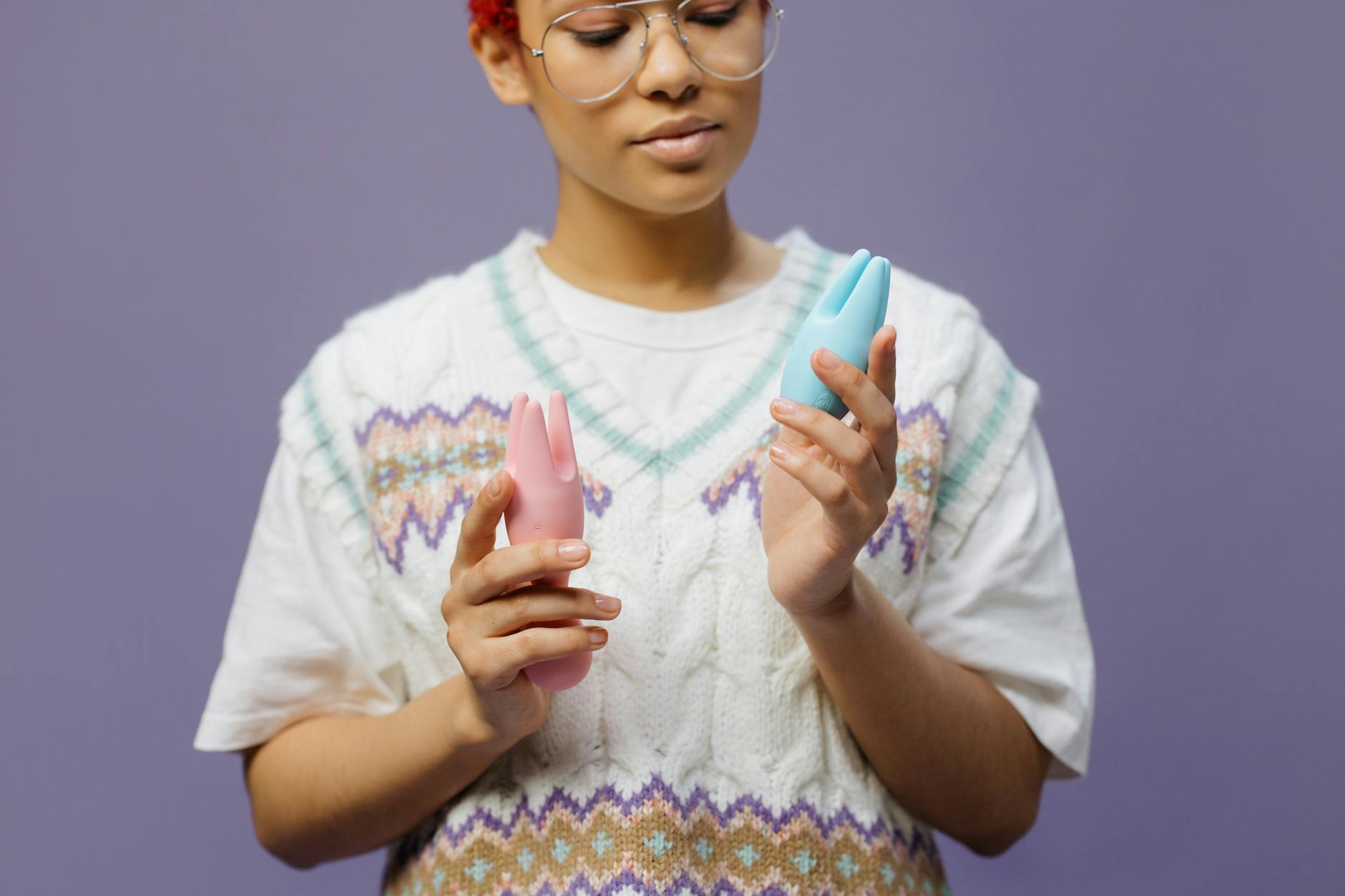
Let's start with the uncomfortable truth
Introducing a toy feels risky. You're worried they'll think you're not satisfied, or that you're moving too fast, or that they'll feel replaced. Most of those fears are completely normal. And most of them evaporate the moment you actually talk about it.
The difference between introducing a lemon vibrator smoothly and creating tension isn't about the toy itself. It's about framing, timing, and how you set expectations.
Why new partnerships need a different conversation
When you've been with someone for years, introducing a lemon clitoral vibrator is straightforward. "I want to try this, I think it'll feel good." You've built trust. You know how they respond to your desires.
Early on, everything carries more weight. They're still forming a picture of who you are sexually. A toy can feel like feedback on their performance rather than an addition to what you already have. That's not what you mean, but perception shapes the first few encounters.
The research backs this up. Partners who feel confused or blindsided by toy introduction report lower sexual satisfaction long-term, not higher. The opposite happens when you've explained your thinking first.
Here's what that conversation actually looks like.
The pre-intimacy conversation (timing matters)
Have this when you're not in bed. Seriously. When you're clothed, not aroused, and just talking. The stakes feel lower. They can absorb what you're saying without their nervous system flooding.
Start with ownership. "I've been thinking about exploring my pleasure more, and I found this vibrator that I'm really interested in trying. I wanted to see if you'd be open to that with me."
Notice what you're NOT saying: "You're not enough," or "This is what I need to come," or "I've always wanted this but never mentioned it." You're naming something you want to add, and inviting them in.
Then pause. Let them respond. If they seem hesitant, ask what the hesitation is about. Nine times out of ten, it's insecurity or not understanding how toys work, not a hard no. "I'm worried I won't compare" is common. "I don't want to hurt you" is common. Both are fixable with information.
If they're enthusiastic, great. If they need time to think about it, that's fine too. You're not asking for permission. You're asking for partnership.
What to do if they say no (or not yet)
It's okay to use a lemon vibrator solo. That's not a setback to your relationship. That's respecting a boundary while honoring your own pleasure.
But sometimes the no is worth understanding. A few legitimate reasons your partner might hesitate:
Body shame on their end. They might worry about being "exposed" or feel vulnerable introducing toys into the space. This one usually softens with reassurance and time.
Misunderstanding how lemon vibrators work. Some people think toys are only for solo pleasure, or that they always lead to partnered use. A quick explanation helps. "I can use this during sex with you, or alone. Either way, it's just for pleasure, and it doesn't change what I want with you."
Genuine relationship incompatibility. If someone is fundamentally opposed to any form of sexual innovation, that's information about the relationship too. You're allowed to factor that in.
If you hit resistance early on, sometimes you move forward solo first. Use it, understand what you like, then revisit the conversation. "I've been using this and I really enjoy it. Would you want to be part of that?" Changes the energy completely.
The first time together: setting expectations
Don't surprise them with a toy mid-sex. That's a recipe for confusion and awkwardness.
Talk about it beforehand. "I'm thinking of using that vibrator tonight. I'll let you know if I want anything from you, or you can just watch, or we can work it out as we go. Does that feel okay?"
This removes the shock. It gives them a role, even if that role is just being present and curious.
Then, when you're getting intimate, bring it up. "Want to see it?" Some partners enjoy watching you explore. Some want to be hands-on. Some want to focus on other kinds of touch. All of that is normal.
If you're using a lemon vibrator during partnered sex, explain what you're doing. "I'm going to use this on my clitoris while you're inside me." or "I want to focus on myself for a minute with this, and then we'll go back to what we were doing." Narration removes mystery and makes it feel intentional rather than sudden.
The first time is rarely perfect. You might laugh. The angle might be awkward. They might be unsure where to put their hands. All of that is fine. What matters is that you're both experimenting together, not one person performing for the other.
Building comfort over repeated encounters
After the first time, most of the fear goes away. But comfort takes a few rounds to really settle in.
If they watched last time, maybe they want to help next time. If you used it solo, maybe they want to see. Let it evolve. The more casual you are about it, the more casual they become.
One powerful move: ask them what they observed. "Did you like watching?" "Did anything surprise you?" "What do you want to try next time?" Brings them into the experience as a full participant, not a bystander.
If sensitivity is an issue, remind them that the lemon clitoral vibrator is designed for that specific area, and it's not a step toward anything else unless you want it to be. Some partners worry toys are a gateway to escalation. They're not. They're a tool for pleasure, and you control how central they become.
After about three or four encounters, it stops feeling like "introducing a toy" and just becomes part of your sex life. At that point, you've cleared the real hurdle, which was comfort and communication, not the product itself.
When to introduce the toy if you're also managing other challenges
If your new partner has sensory sensitivities or trauma history, the conversation gets a bit more careful. You might need to discuss lemon vibrators in a separate conversation focused entirely on what safety and comfort look like for them first.
If you're navigating significant differences in desire or arousal timing, sometimes a toy introduction works better as part of that conversation rather than separate from it. "I want to find ways for both of us to feel satisfied" is different than "I want to add this toy." One feels collaborative. The other can feel like an individual request.
If you're both still learning how to communicate about sex at all, you might not be ready for toy introduction yet. That's worth noticing. Get comfortable saying what you like and don't like first. The toy conversation becomes way easier once you've practiced basic sexual communication.
Red flags that it's not the right time
Don't introduce a lemon sexual toy if you're in active conflict about sex or intimacy. If they're already feeling rejected or you're already feeling unheard, adding a new element makes things harder, not easier.
Don't use it as a fix for a deeper incompatibility. If the real problem is that you're not attracted to each other or you don't feel safe together, a clitoral vibrator won't solve that.
Don't bring it up if you're angry or frustrated. "Maybe we should try using a toy since this clearly isn't working" lands like criticism. Save it for when you're both in a good place.
The psychological shift that happens
Once your new partner gets comfortable with you using a lemon vibrator, something often shifts in the dynamic. You're modeling that pleasure is collaborative, not zero-sum. You're saying "I know what I want, I'm not ashamed of it, and I want you here with me." That's attractive. That builds trust.
Most partners who start hesitant end up being glad you brought it up. They like watching you enjoy yourself. They like knowing you well enough to ask for what you want. They like that you're thoughtful about it instead of just surprising them.
The lem vibrator works particularly well in new partnerships because it's intuitive. There's no complicated interface. You turn it on, try different intensities, and see what feels good. That simplicity means less distraction and more ability to focus on the person you're with.
Key takeaways for bringing a toy into early intimacy
Talk first, not mid-sex. Frame it as something you want to explore, not something they're failing at. Listen to their concerns without trying to convince them. Start slow and let them set the pace of involvement. Check in after the first time. Keep it casual and non-pressured.
Introducing a lemon clitoral vibrator early shows a partner that you're comfortable with your own pleasure and that you value their participation in it. That's not a burden. That's an invitation.
People also ask
Can you use a lemon vibrator during partnered sex the first time you meet someone?
Technically yes, but it's way better to have talked about it first. The conversation takes five minutes. It removes awkwardness and sets expectations. Your partner gets to mentally prepare and decide how they want to participate. Sex is better when nobody's surprised.
What if they think a lemon vibrator means I'm not satisfied with them?
That's insecurity talking. You address it by being clear: "I'm satisfied with you. I'm also interested in exploring my own pleasure. Those are separate things." You might need to say it more than once. That's normal. The more you use it without making a big deal, the more they'll see it's just a tool, not a referendum on your relationship.
Should I offer to let them use a lemon vibrator on me, or is that weird?
Not weird at all. Some people love the idea of controlling intensity and focus for their partner. Others feel awkward about it. You can ask: "Do you want to try using it on me, or would you rather I handle it?" Gives them agency. Either way works.
How do I know if introducing a lemon sexual toy will ruin the relationship?
It won't, unless the relationship was already fragile. Introducing a toy doesn't cause relationship problems. It reveals whether your partner is comfortable with your autonomy and pleasure. If they're not, that's worth knowing now. If they are, you've built trust.
What if my new partner wants to use the lemon vibrator on themselves too?
That's actually great. It means you're both exploring together. You might take turns. You might use them simultaneously. You might use it on each other. All of that is normal partnered exploration. Have fun with it.
Is there a time frame for when this conversation should happen in a new relationship?
Whenever it feels natural, honestly. Some people bring toys into the conversation early. Others wait until they've been together a few weeks. There's no magic window. What matters is that you've established basic trust and comfort with each other first. Don't have this conversation on a first date. Do have it before you're surprised mid-sex.
Introducing a lemon vibrator to a new partner is one of the best tests of whether you can communicate openly about desire. If you can handle this conversation, you can handle most things. And if your partner responds with curiosity instead of defensiveness, you've found someone worth exploring with.