
When libido mismatch becomes the elephant in the room
Let's be real. One partner wanting sex twice a week and the other wanting it twice a month isn't a small incompatibility. It's the kind of friction that quietly erodes intimacy, and it often arrives without warning. Maybe your partner's libido tanked after a medication change. Maybe stress compressed their desire into nothing. Maybe you've just drifted into different lanes, and now you're both resentful.
Here's what most couples don't realize: a lemon vibrator isn't just a solo tool. It can actually be a bridge between mismatched desire, if you use it intentionally.
The real problem with desire mismatch
Libido differences aren't really about sex. They're about feeling wanted, about power dynamics, and about what happens when one person stops initiating because they're tired of being rejected. The person with higher desire often swallows their sexuality entirely, and the person with lower desire feels guilty and pressured, which makes their desire drop further. It's a negative spiral that looks impossible to interrupt.
A lemon vibrator, used as a shared tool rather than a solo escape, can actually interrupt that spiral. But it only works if you understand what's really happening first.
Understanding low libido in partnership
Low libido rarely means "I don't love you" or "I don't find you attractive." More often it means one of these things.
Depression and anxiety. These hollow out desire first, before anything else. If your partner's libido dropped alongside fatigue, withdrawal, or mood changes, a therapist matters more than a vibrator.
Hormonal shifts. For people on birth control, dealing with thyroid issues, or managing other hormonal conditions, desire can simply disappear. This isn't psychological. It's neurochemical. A conversation with their doctor is the first move.
Relational friction. Sometimes low libido is the symptom of something else. Unresolved anger, feeling unheard, imbalance in household labor. These pile up, and desire is the first casualty.
Medication side effects. SSRIs, blood pressure meds, and other common prescriptions can tank libido. If your partner started a new medication around when their desire dropped, that's worth flagging with their doctor.
Simple incompatibility. Some people just have lower baseline desire. They weren't born with a higher libido, and they're not broken. They're just wired differently.
The first step isn't grabbing a clitoral vibrator. It's figuring out which of these is actually at play.
How to have the conversation without it blowing up
Most couples avoid talking about libido mismatch until they're furious. By then, the conversation is already loaded with resentment. You're not actually discussing desire. You're litigating hurt.
If you want to bring a lemon vibrator into the dynamic, start before that. Here's the rhythm that works.
Step one: name the pattern, not the problem. "I've noticed we've been having sex less often, and I'm feeling a disconnect. I don't think it's about attraction. I think something else is going on, and I want to understand it." This is different from "You never want to have sex with me anymore."
Step two: ask, don't assume. "What's actually happening for you?" Then listen. Don't defend. Don't solve. Just listen.
Step three: separate the medical from the relational. If your partner says "I'm exhausted all the time," that might be thyroid. If they say "I feel disconnected from you," that's relational. These need different solutions, and they can happen in parallel.
Step four: bring the tool as an option, not a solution. Once you understand what's actually going on, you can float the idea. "I was reading about how some couples use vibrators together, even when desire isn't matching. Not as a replacement, but as a way to reconnect without the pressure. Would you be open to trying that?" Some partners will be. Others won't. That's okay information to have.
Using a lemon vibrator together when desire is mismatched
The goal here is not to convince your partner to want sex. That never works. The goal is to create a lower-pressure way to stay physically close while you're working on the deeper stuff.
Reframe what's happening. This isn't "we're having sex." This is "we're taking fifteen minutes to be close." The lower the stakes, the less performance pressure, the more it actually works.
Your partner doesn't have to be aroused to participate. They can help you explore pleasure while staying clothed. They can control the lemon vibrator while you guide them. They can simply be present. Physical intimacy doesn't require them to feel desire.
Explore pressure points together. A clitoral vibrator like the Lem works beautifully on the external clitoris, but it also works on the inner labia, the perineum, and the areas between. Let your partner experiment with it on you. This keeps the focus on curiosity rather than performance.
Make it about discovery, not orgasm. If you're chasing orgasms, you're back in performance land. If you're both just seeing what feels interesting, the pressure evaporates.
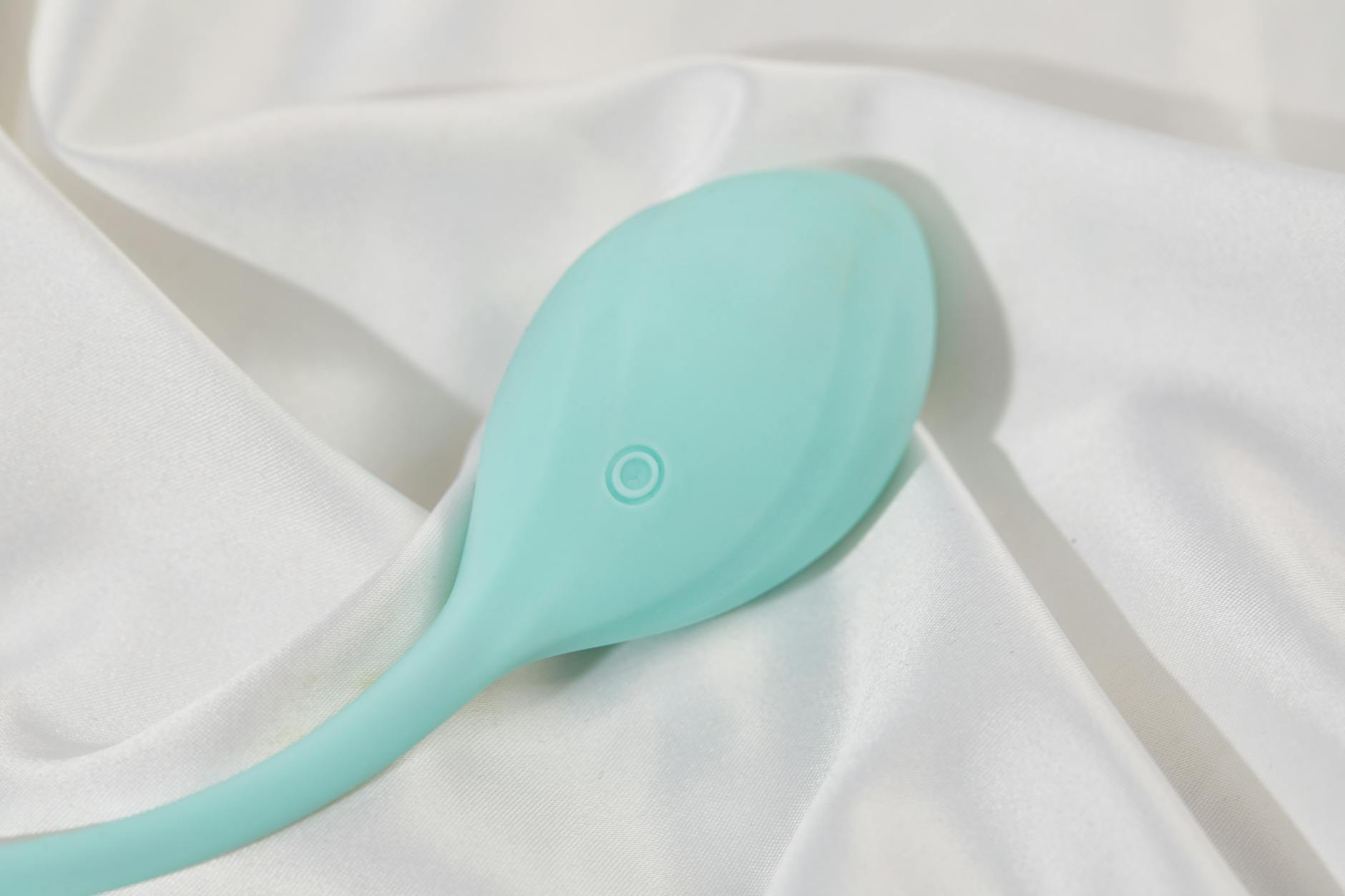
Photo by IFONNX Toys on Pexels
What a lemon vibrator actually addresses
A lemon sexual toy doesn't fix libido mismatch. But it does address the secondary problem: the loss of physical intimacy that comes with it. When one partner stops initiating because they're tired of rejection, and the other partner feels pressured because they can't perform, physical touch stops entirely. Even non-sexual affection often disappears.
Using a vibrator together creates a container for that touch without the stakes of "real sex." It keeps the nervous system connection alive. That matters more than you'd think. Sometimes, as couples reconnect physically in this lower-pressure way, desire naturally starts to climb again for the partner with lower libido. Not because they're being manipulated, but because they're no longer in a defensive crouch.
When this approach doesn't work
If your partner refuses to engage, or if the conversation itself triggers defensiveness and shutdown, something deeper is going on. Desire mismatch is often a symptom of a relationship problem that needs professional attention. A couples therapist can help you figure out whether you're dealing with a straightforward libido difference, or whether there's relational friction, resentment, or incompatibility that needs addressing first.
There's also the possibility that you're simply incompatible in this area. Two people can love each other and still want different frequencies of sex. That's not a failure. It's just information. Sometimes you work through it together with intentional tools. Sometimes you decide the mismatch is too wide to bridge. Both are legitimate outcomes.
The long game
If you're introducing a lemon vibrator as a bridge for libido mismatch, you're playing a longer game than "have more orgasms." You're trying to keep physical intimacy alive while you figure out what's actually driving the desire difference. You're staying connected to your partner rather than retreating into resentment.
That works best when both of you actually want to try. If one partner is doing it out of guilt, it won't land. If one partner is doing it as a workaround instead of actually addressing the issue, it becomes another source of disconnection.
The clitoral vibrator is the tool. The real work is the conversation, the honesty, and the willingness to understand what's actually happening before you try to fix it.
People also ask
Can using a vibrator together help if my partner has no desire at all?
It can help if the low desire is situational (stress, exhaustion, medication side effects) rather than fundamental. If your partner genuinely feels zero sexual attraction and zero interest in physical intimacy, a vibrator won't create desire from nothing. What it might do is create a container for non-demanding closeness while you address the root cause. But honestly, if desire is completely absent and your partner isn't interested in exploring why, you might need a couples therapist before you need a vibrator.
Should I use the vibrator on my partner if they're not asking for it?
No. This needs to come from a conversation where you're both genuinely interested in trying. If you introduce a vibrator without consent or genuine buy-in from your partner, it will feel like pressure, not connection. Start with the conversation. Only move to the tool if your partner says yes.
What if my partner thinks a vibrator means I'm not attracted to them?
This is so common, and it points to a real insecurity that needs addressing. Have this conversation directly: "A vibrator isn't about my attraction to you. It's about adding a different kind of sensation, and staying physically close in a way that doesn't feel pressured for either of us." Some partners will hear this and feel relieved. Others will need more reassurance. If your partner feels threatened by a vibrator, that might indicate deeper insecurity that deserves its own conversation.
How often should we use a lemon vibrator together if we have libido mismatch?
There's no rule. Some couples find once a week works. Others do it every few weeks. The goal isn't frequency. It's consistency without pressure. Pick a rhythm that feels sustainable for both of you, and be willing to adjust it. If it starts to feel obligatory, it's not working.
What if we try this and nothing changes?
Then you know the libido mismatch isn't something a vibrator can address. That's valuable information. It might mean you need a therapist, or it might mean you need to have a bigger conversation about compatibility. A lemon vibrator is a tool for staying connected during mismatch, not a solution for fundamental incompatibility.
Is it normal to feel awkward using a vibrator with my partner?
Completely normal. Most couples feel awkward the first time. Awkwardness usually fades once you've done it once and realized nothing catastrophic happened. If the awkwardness persists, it might be pointing to something else. Maybe you need a longer conversation first. Maybe you need to start with something lower-stakes. Or maybe your partner isn't actually comfortable with it, and that's okay too.
The bigger picture
Libido mismatch is one of the most common relationship problems, and also one of the least talked about. We treat it like a failure instead of what it is: a normal part of being two different humans with different wiring and different life circumstances.
A lemon vibrator won't fix fundamental incompatibility. But it can keep you connected while you figure out what's really going on. It can remind you both that pleasure and closeness still matter. And sometimes, as you rebuild that physical connection, other things start to shift.
Start with the conversation. That's always first. Then, if you both want to try, the tool can help. But the conversation is everything.
If you're struggling with this dynamic, consider reaching out for support. A couples therapist can help you navigate libido differences with more precision than you can on your own.