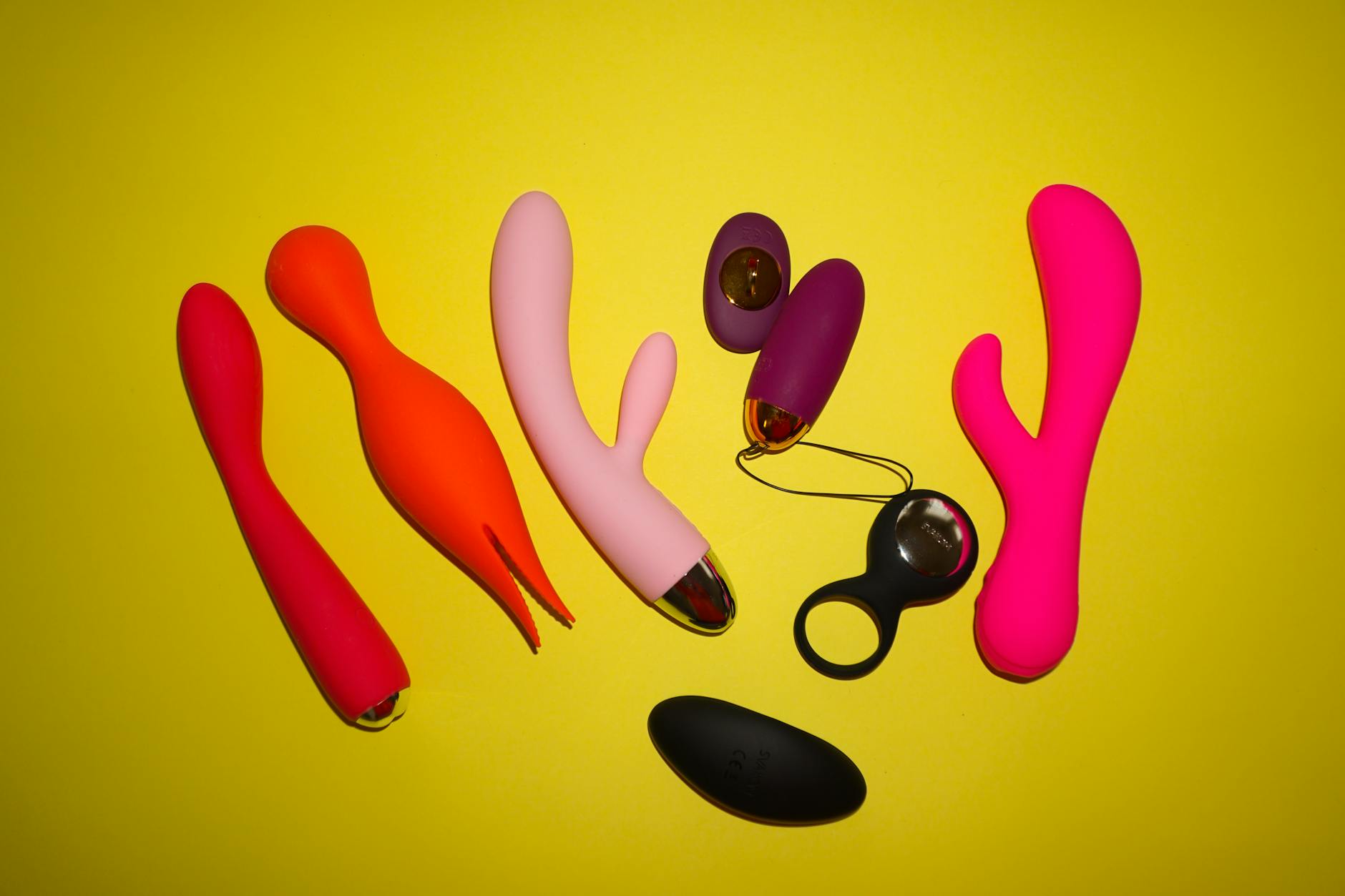
How to Use a Lemon Vibrator When Estrogen Levels Drop After 40
Here's what nobody tells you about estrogen and pleasure. It's not that desire disappears. It's that the pathway to arousal gets rerouted.
After 40, estrogen begins a slow decline. This changes tissue thickness, lubrication production, and how quickly your nervous system fires up during stimulation. A lemon clitoral vibrator that worked perfectly at 35 might feel too intense, too subtle, or weirdly disconnected from your body at 45. That doesn't mean your capacity for pleasure has shrunk. It means you need a different strategy.
I've spent years working with couples navigating this exact transition. The couples who adjust their technique report better orgasms than they had in their thirties. The ones who don't adjust usually give up. This guide is for the first group.
What estrogen actually does (and doesn't do)
Estrogen acts like a master switch for your entire pelvic region. Lower levels means the vulva has less blood flow, the vaginal tissue gets thinner, and the clitoris becomes more sensitive to pressure. Counterintuitive, right? You might expect lower sensitivity. Instead, the tissue is more delicate, so the same amount of stimulation can feel sharp rather than pleasurable.
But here's the critical part. The clitoral nerve structure doesn't change. Your brain's ability to experience pleasure doesn't degrade. The pathways are all still there. What changes is the tissue around those nerves, and therefore the technique that works best.
This is why a lemon vibrator like the Lem becomes wildly useful in your forties and beyond. Air-suction devices work differently than traditional vibrators. Instead of direct friction against delicate tissue, they create a gentle vacuum that stimulates the entire clitoral complex without the same mechanical pressure. For post-40 bodies dealing with thinner tissue, this is a game-changer.
Why arousal takes longer now
One of the biggest shifts people notice after 40 is the speed of arousal. What used to take five minutes might now take fifteen or twenty. This isn't dysfunction. It's a simple neurochemical shift.
Estrogen impacts dopamine and nitric oxide, both critical for blood flow and arousal cascade. When estrogen drops, the signal travels more slowly. Your body still gets there, but it needs more runway. This is why rushing doesn't work anymore. Your body isn't broken. It just needs better foreplay.
The practical fix? Budget time. If you've been using a lemon vibrator for years, try extending your warm-up by ten minutes. Start with slower patterns on your Lem (settings 1 through 3 instead of jumping to 5). Let your body build arousal naturally rather than sprinting toward it.
Lubrication changes you'll notice
Your body produces less vaginal lubrication after 40, especially if you're approaching menopause or have already transitioned. This isn't an emergency. It's just a logistics problem with an easy solution.
Water-based lubricant becomes less optional and more essential. But here's the nuance most guides miss. Not all water-based lubes feel the same. Some are too thin and get absorbed quickly. Others are thick and sticky. For clitoral work with a lemon vibrator, you want something with decent glide that lasts.
Apply lube generously before you start, and refresh it halfway through if you're in for a longer session. This does two things. It protects delicate tissue from too much friction, and it helps the Lem glide smoothly, which changes how the suction feels. More lubrication can actually mean more intense sensation with air-suction devices, so pay attention to how your body responds as you adjust the amount.
How to adjust your Lem technique for the post-40 body
If you're already using a lemon clitoral vibrator, here's how to recalibrate for estrogen changes.
First, start lower. The Lem has eight intensity levels. Most people in their twenties and thirties find settings 5 to 8 ideal. Post-40, try starting at 1 or 2. Your clitoris has more nerve density now relative to tissue thickness, so lower settings often produce stronger sensation. You might find that settings 3 and 4 feel more intense than setting 7 used to.
Second, change your angle. Many people hold the Lem directly centered on the clitoris. After 40, try pulling it slightly to the side or applying it at an angle. This distributes the suction across a wider area and feels less intense while remaining highly pleasurable. Some people find that angling the device toward the underside of the clitoral hood produces better sensation than the direct approach.
Third, use patterns strategically. The Lem has pulse and wave patterns in addition to steady suction. Patterns feel gentler than continuous suction for many people post-40, even though the intensity level is the same. Experiment with switching between patterns rather than staying on one for the entire session.
Fourth, embrace longer sessions. A faster climax isn't better. Post-40 bodies often orgasm more intensely after extended stimulation. Fifteen to twenty minute sessions using lower settings often produce more satisfying results than five minute sprints at high intensity.
Why sensation might feel different (and often better)
Many people expect pleasure to decline as estrogen drops. Clinically, what I see is more nuanced. Pleasure doesn't decline. It shifts.
After 40, the clitoris becomes more concentrated, almost more intense in its sensation. Some people describe post-40 orgasms as sharper or more localized than they used to feel. Others say they're deeper or more full-body. The tissue is thinner, so the nerve fibers are closer to the surface. This can feel overwhelming at first if you're using the same technique you used at 35.
But when you adjust your approach, something unexpected happens. People often report that their most satisfying orgasms come after 40. The neurological pleasure capacity is unchanged. You're just working with different tissue mechanics, and once you nail that, pleasure can actually feel more accessible, not less.
Mental factors that matter just as much
Here's what gets left out of most sex advice for people over 40. Estrogen isn't the only thing changing. Your relationship with your own body is changing too.
At 40, many people have shed the performance pressure they carried in their twenties. You're not trying to prove anything to yourself or a partner. You know your body better. You're less distracted by work, kids, or relationship anxiety because those things are either resolved or you've learned to compartmentalize them.
This mental shift often matters more than the hormonal one. When you're using a lemon vibrator and not worried about taking too long, not performing for anyone, not second-guessing whether you're doing it right, pleasure accelerates. Your brain is finally on board.
So if your Lem isn't working like it used to, ask yourself whether the problem is actually estrogen or whether it's distraction, stress, or old patterns that no longer serve you. Sometimes the answer is both, and you address them in parallel.
The pelvic floor connection
Estrogen supports pelvic floor muscle tone. Lower estrogen means less automatic tone in those muscles. This sounds like bad news, but it's actually an opportunity.
Doing Kegels becomes more important after 40, but it also becomes more rewarding. Pelvic floor strength directly affects orgasm intensity. A stronger pelvic floor means more contractile force during orgasm, which means stronger sensation. For people using a lemon vibrator, building pelvic floor strength can make sensation feel sharper and orgasms feel more pronounced.
But there's a second part. Learning to relax the pelvic floor is equally important. Many people hold tension in the pelvic floor without realizing it, especially during arousal. Post-40, when tissue is more sensitive, that tension can actually make stimulation feel uncomfortable rather than good. Practice breathing into the pelvic floor during your sessions with the Lem. Exhale and consciously relax those muscles. This simple shift changes everything.
When to bring a partner into this conversation
If you share a bed with someone, they're going to notice changes in your body too. The smart move is to talk about it before frustration builds.
Separate the conversation into two parts. Part one is logistics. Your body is responding differently to stimulation now. This is normal and temporary. You're both going to adjust. Part two is about pleasure. What used to work is worth experimenting with differently. This is actually an invitation to explore, not a problem to fix.
Mention the Lem specifically if you're not already using one. The air-suction technology works differently than traditional vibrators, and many couples find it's a tool that bridges generational differences in arousal speed and tissue sensitivity. You can use it solo or together, and it often reignites interest in couples who've been stuck in routine.
Common adjustments post-40
Here's what I recommend to most people once estrogen levels start dropping.
Use lower intensity settings than you think you need. Start at 2, test for 30 seconds, then adjust up if needed. Your body will surprise you with how much sensation it can produce at lower levels.
Always use lubrication. Even if you've never needed it before, start now. Your tissue needs support.
Extend warm-up time to 15-20 minutes minimum. Your nervous system needs runway. Give it the space it needs.
Experiment with patterns. Pulse and wave modes often feel better than continuous suction post-40.
Try angling the Lem instead of direct contact. Side-angle or underside approaches often work better than centered pressure on delicate tissue.
Build pelvic floor strength and flexibility. Both matter equally.
Talk to your partner if you have one. This is a shared adjustment, and framing it as exploration rather than problem-solving keeps everyone engaged.
FAQ: Lemon vibrators after 40
Does a lemon vibrator work better or worse after menopause?
Lemon clitoral vibrators like the Lem often work better after menopause if you adjust your technique. The air-suction technology is gentler on thinner tissue than traditional vibrators. Post-menopausal bodies actually benefit from this design. The key is using lower intensity settings and allowing longer warm-up time.
Should I switch to a different lemon clitoral vibrator after 40?
Not necessarily. If you already have a Lem, keep it and adjust your settings and technique. Many people assume they need a new toy when actually they just need a different approach. That said, if your current vibrator has only high-intensity settings, a lemon sucker with more granular control over intensity might feel better.
How long should arousal take now that I'm over 40?
Expect 15-20 minutes of stimulation to build full arousal post-40. This is normal and not a sign of dysfunction. Your nervous system is processing arousal differently with lower estrogen levels. Rushing doesn't work. Extending your session usually produces better results.
Can I use my lemon vibrator with hormonal birth control after 40?
Yes, but be aware that hormonal birth control affects tissue sensitivity just like natural estrogen fluctuations do. If you're on hormonal birth control, you might not experience the same degree of tissue changes as someone not using it. Your technique adjustments might be different.
Is it normal for my lemon vibrator to feel painful now when it never did before?
Pain during vibrator use usually means one of three things. Estrogen changes have made tissue more sensitive and lower settings need to be used. Lubrication is insufficient. Your pelvic floor is holding tension. Address all three. Start with lower intensity, add more lube, and consciously relax during your session. If pain persists, talk to a gynecologist.
Can estrogen replacement therapy change how a lemon vibrator feels?
Yes. Hormone replacement therapy will gradually shift how your tissue responds to stimulation. As estrogen levels rebuild, you might find that higher intensity settings feel better again. You'll likely need to adjust your technique as your body changes. This is normal and worth embracing as part of the process.
The bottom line
Estrogen drop after 40 changes pleasure. It doesn't end it. Your lemon vibrator isn't broken. You're not broken. You're just working with different tissue mechanics and a different arousal timeline.
The couples and individuals I work with who thrive post-40 are the ones who treat this as an exploration, not a loss. Your forties and beyond are when you finally know what you want. Your body is asking you to be intentional about how you get it. That's not a compromise. That's actually better sex than you had before.
If you want to talk through your specific situation, whether it's about technique, partner communication, or how to navigate this transition, reach out to our team at Hello Nancy. We're here to help.