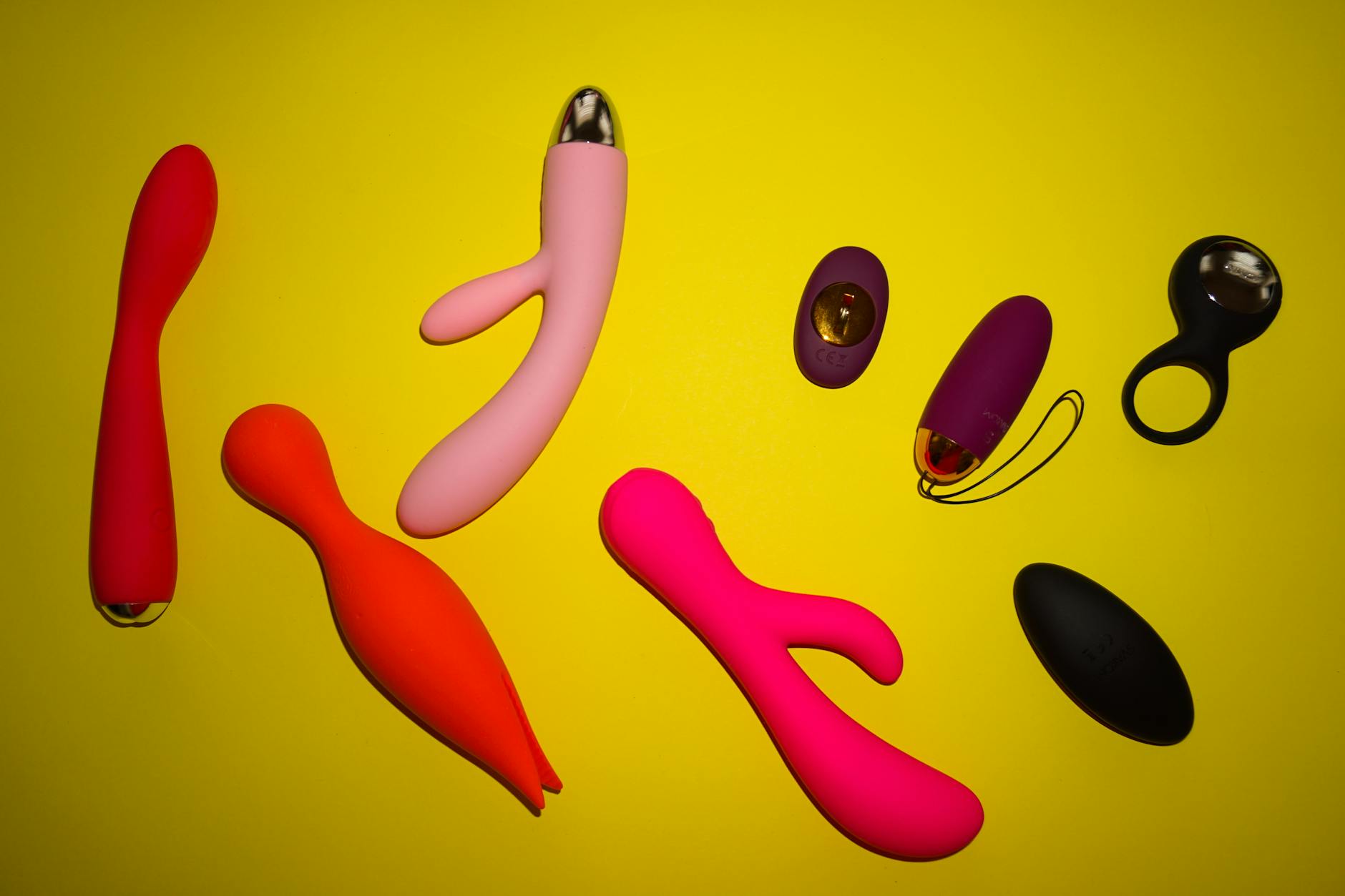
Let's talk about what happens to your body after a breakup
A breakup isn't just emotional. Your nervous system has been entangled with another person's for weeks, months, or years. The touch you relied on vanishes. The familiar rhythm of physical connection disappears. Many people don't realize that solo pleasure can feel weird or even impossible in those early months, and that's completely normal. Your body is grieving, and pleasure might feel like a betrayal of that grief, or worse, a painful reminder of what you've lost.
Here's what I tell my clients: reclaiming solo pleasure isn't about "moving on" fast. It's about rebuilding trust with your own body. And tools like lemon clitoral vibrators can actually help you do that more gently than you'd expect.
Why rebuilding solo pleasure matters after a breakup
When you've been coupled, your pleasure becomes partially dependent on someone else's attention, rhythm, and presence. You might have stopped touching yourself, or you only did it in ways your partner preferred. You might have learned to ignore your own arousal signals. After a breakup, reconnecting with solo pleasure isn't vanity or escapism. It's nervous system regulation. It's proof to yourself that your body is still yours.
Research shows that regular sexual self-touch reduces cortisol (your stress hormone) and increases oxytocin, which supports emotional healing. You're not indulging. You're medicating in the healthiest way possible.
The first week: permission over pressure
Right after a breakup, your body might feel unfamiliar or even hostile. Touch might trigger grief. That's why I don't recommend jumping straight into solo pleasure in those first days. Instead, spend time noticing what feels good without expecting anything. Take long baths. Massage your own shoulders. Feel textures. Get your body used to being touched by hands that belong to you.
When you're ready to bring a tool like the Lem into the picture, approach it like an experiment, not a performance. Some people find that a clitoral vibrator feels less emotionally loaded than their own hands because it's not about self-judgment or comparison to how a partner touched them. The suction sensation of the Lem works differently than manual stimulation, which means it bypasses some of the muscle memory that might be tied to your ex.
Weeks two through four: rebuilding the basic rhythm
This is where you're learning your body as a solo entity again. Start in a space where you feel truly safe. Not just physically safe, but emotionally. Dim lights, locked door, phone silenced. Your nervous system needs to know there's no performance happening here.
Try this with your lemon clitoral vibrator:
Start at the lowest setting. Many people skip straight to high intensity because they're chasing a sensation they remember from partnered sex. Don't do that. The goal right now is not orgasm. It's reconnection. Spend 15 to 20 minutes just exploring. Notice where you have sensation. Notice where you feel numb. That numbness often isn't physical. It's dissociation. Your body protecting itself. Be gentle with that.
Most people find that the Lem's suction sensation is easier to sink into than other vibrators because you don't need to press hard or maintain perfect contact. That reduced effort means less performance anxiety, which is exactly what you need.
Weeks four through eight: expanding what pleasure feels like
As you become more comfortable, you might notice that your body is starting to ask for different things. Maybe you want to explore different settings. Maybe you want to spend more time on warm-up. Maybe you notice that certain times of day feel better than others. These are all signals worth listening to.
One thing that shifts during this phase is recognizing that pleasure doesn't have to look like it did before. When you've been with a partner for a long time, your sexuality becomes narrower because you're shaped by their preferences. Now you get to find out what you actually like when no one is watching. You might find that you prefer longer, gentler sessions. Or you might discover you want intensity you never felt comfortable asking for before. Both are valid.
This is also when many people find that emotional walls start to soften. Sometimes that means that grief comes up during or after solo pleasure. That's okay. Crying during self-touch doesn't mean you're doing it wrong. It means you're processing.
The plateau that usually arrives around week six
Most people hit a wall where solo pleasure starts to feel boring or routine. This is totally predictable. Your nervous system has adapted. Novelty wore off. This is when you might experiment with context. Maybe you light a candle. Maybe you use a different lubricant. Maybe you try a time of day you haven't before. The Lem's different intensity settings are perfect for this because you're not replacing the tool; you're just changing how you use it.
If you're struggling at this point, it might help to work with a therapist or a relationship coach on the emotional side. Sometimes a pleasure plateau is actually a sign that there's still grief or ambivalence underneath. That's not a failure. That's information.
What if solo pleasure triggers sadness or anger
This happens more than people talk about. You start touching yourself and suddenly you're flooded with memories. You remember how your ex touched you. You remember feeling desired. You remember being less lonely. That's not a reason to stop. It's a reason to slow down and understand what's happening.
When this occurs, I recommend pausing for a moment and naming the feeling. "I'm feeling sad right now." Then decide: do I want to continue and let the pleasure coexist with the sadness? Or do I want to stop and do something else? Both answers are okay. The key is that you're choosing, not just abandoning yourself.
If solo pleasure consistently triggers intense emotional pain weeks after your breakup, that's a sign worth exploring with a therapist. Sometimes unprocessed grief needs space before pleasure can feel safe again.
Building a practice that feels like self-love, not recovery
By week eight or so, something shifts. Solo pleasure stops feeling like you're proving something to yourself and starts feeling like something you actually want. That's the transition from healing into living. You're not using the Lem to get over your ex anymore. You're using it because it feels good and because your pleasure matters.
At this point, you might find that you want to experiment more. Different positions. Different timing. Different contexts. You might use your lemon clitoral vibrator once a week or several times a week. There's no right rhythm. The rhythm that feels right is the one you choose, and that choice itself is the healing.
People also ask
How long after a breakup should I wait before using a vibrator solo?
There's no universal timeline, but generally, waiting a few days to a week gives your nervous system a chance to start adjusting before you add stimulation. If the breakup was recent and painful, you might wait longer. The key is that it doesn't feel like you're running from grief. It feels like you're ready to reconnect. Your body will tell you when that is.
Will solo pleasure with a lemon vibrator make me miss my ex more?
Sometimes yes, initially. Your brain will make associations because touch and vulnerability are linked to your ex. But over time, especially with a tool like the Lem that creates a different sensation than hands, you're building new associations. You're learning that pleasure comes from you, not from their attention. That gradually rewires the connection.
Can I use a clitoral vibrator if I'm not ready to have an orgasm yet?
Absolutely. In fact, that's often better. Solo pleasure without the goal of orgasm removes so much pressure. You can use your lemon sexual toy just for sensation, warmth, and the simple fact of touching your own body. Orgasm will come back when your nervous system feels safe again. You don't have to chase it.
What if I feel guilty using a vibrator after my breakup?
Guilt often comes from old messages about what you "should" do after a relationship ends. The truth is, taking care of your own pleasure is one of the most direct ways to prove to yourself that you're not defined by whether someone wants you. Your pleasure belongs to you. Using a lemon clitoral vibrator is an act of reclamation, not betrayal.
How do I know if I'm using a vibrator as a healthy tool versus escapism?
The difference is usually about intention and frequency. Healthy solo pleasure feels intentional, takes maybe 15 to 40 minutes, and leaves you feeling more embodied. Escapist patterns usually involve longer sessions, feel frantic, and leave you feeling more numb afterward. If you notice the second pattern, that might be a sign to talk to someone about what's underneath the grief.
Does using a lemon vibrator mean I'm not grieving properly?
Not at all. Grief and pleasure can coexist. Many cultures and trauma specialists actually recognize that reclaiming physical pleasure is part of healing from loss. You can miss your ex and still use the Lem. Both are true.
You're not starting over; you're starting again
After a breakup, there's this myth that you need to become a new person. You don't. You're the same person, but you get to decide who you want to be now that you're alone. That includes how you touch yourself. That includes whether you use a clitoral vibrator. That includes what pleasure looks like when it's just for you.
A lemon vibrator is a small tool, but using it solo is a declaration: your body is yours. Your pleasure matters. And you're worth the time it takes to rebuild that connection. That's not recovery. That's living.